January 19, 2026
A Psychology Today Profile Isn't Enough for Therapists in 2026
January 19, 2026
A Psychology Today Profile Isn't Enough for Therapists in 2026
Psychology Today is one of the most powerful directories in the mental health field, relying on it alone is no longer enough.
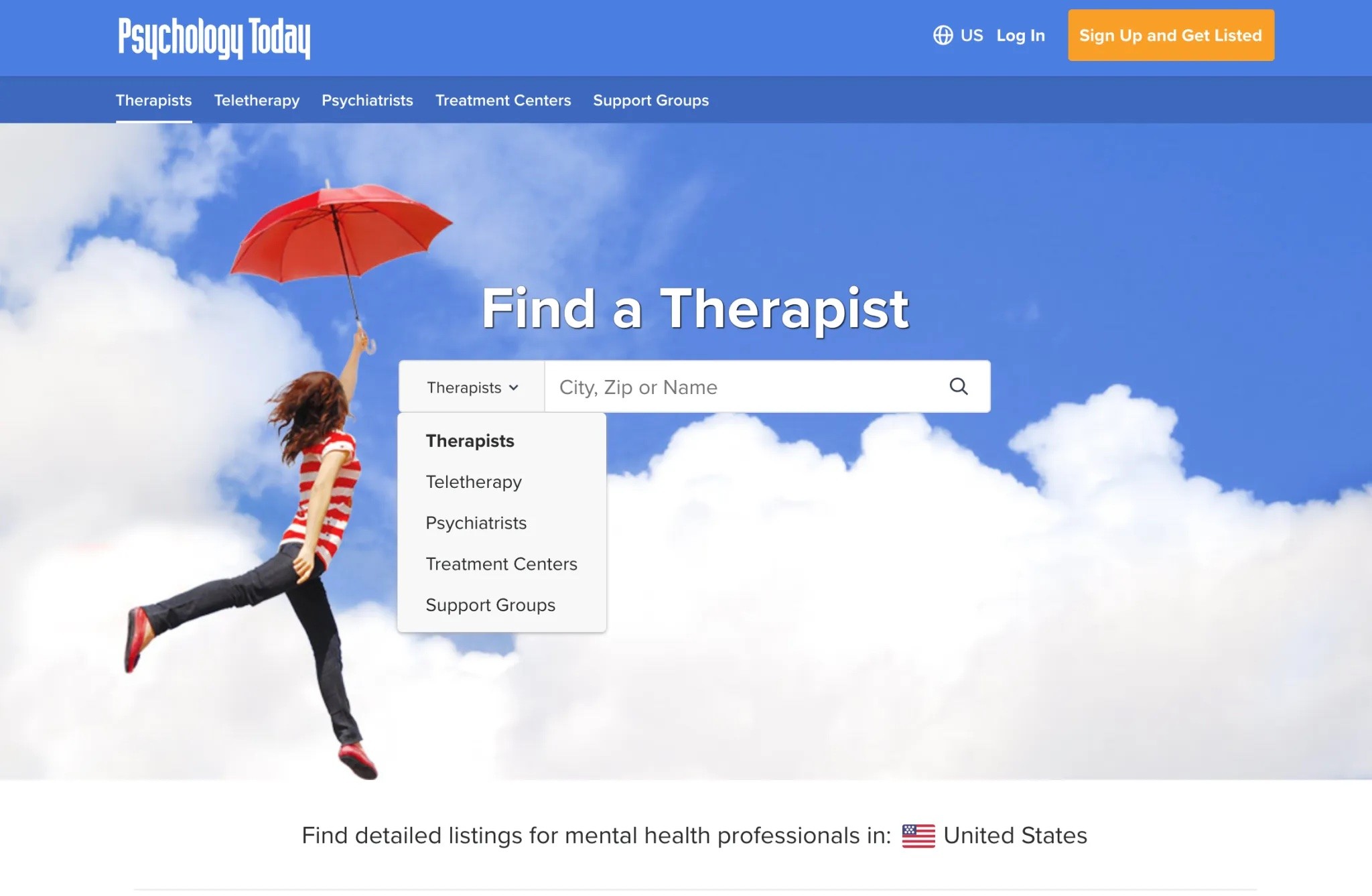
Many therapists believe that having a Psychology Today profile is enough to generate consistent client referrals. While Psychology Today is one of the most powerful directories in the mental health field, relying on it alone is no longer enough — especially in today’s competitive and digitally driven landscape.
According to Psychology Today’s own media kit, the directory includes over 225,000 therapists and treatment centers across the U.S. and beyond. That means when someone searches in a city like Los Angeles or New York, they’re scrolling through hundreds or even thousands of profiles.
If your goal is to grow a sustainable, values-driven private practice and reach the clients who truly need your work, a professional website and strategic social media presence are essential.
Here’s why.
1. Your Website Is Your Digital Home — Not Just a Listing
A Psychology Today profile is like renting a small office in a shared building.
A website is like owning your own practice space.
Your website gives you:
Full control over your messaging, tone, and brand
The ability to explain your approach, specialties, and philosophy in depth
A place to build trust, authority, and emotional connection
A professional destination where clients can easily book, learn, and engage
Clients often view a therapist’s website as a reflection of the quality, credibility, and professionalism of the care they will receive.
If they can’t find you outside of a directory, many will move on.
2. Clients Want More Than a Bio — They Want to Feel You
A Psychology Today profile provides limited space.
Your website and social media let clients experience:
Your voice
Your values
Your energy
Your unique style of care
This matters because therapy is deeply relational.
Clients don’t just choose a therapist based on credentials — they choose based on fit and felt sense.
A thoughtful website and active social media presence help clients decide:
“This therapist understands me.”
That connection often makes the difference between being contacted — or being skipped.
3. Social Media Builds Familiarity and Trust Before the First Session
Most clients are nervous about reaching out.
Your social media presence helps:
Normalize the therapy process
Demonstrate your expertise
Offer value and support before someone ever schedules
Build emotional safety and confidence
In a world where people research and observe before making decisions, your social media becomes a soft introduction to your work.
It shows:
How you think
What you stand for
How you support clients
Whether you feel like a safe and aligned choice
4. Psychology Today Can Change — Your Website Is Yours
Directories are powerful — but they are not permanent.
Algorithms change. Rankings shift. Policies evolve.
Your website and email list are assets you own and control.
They ensure:
You aren’t dependent on one referral source
You can communicate directly with your audience
Your practice remains stable even if platforms change
Think of your website as your long-term foundation — and Psychology Today as just one important marketing channel.
5. Marketing Is Not Selling — It’s Helping Clients Find Support
Many therapists avoid investing in websites or social media because they feel:
Uncomfortable with “marketing”
Unsure where to start
Concerned it feels inauthentic or “too business-focused”
But marketing is simply clear communication.
It helps the right people find the care they need.
Your website and social media:
Reduce barriers for clients seeking help
Provide clarity about who you serve
Reflect your integrity, ethics, and professionalism
Expand your impact beyond the therapy room
6. A Strong Online Presence Supports Equity and Accessibility
When therapists build meaningful digital platforms, they can:
Reach underserved communities
Share culturally relevant and affirming content
Provide resources for those who may not be ready for therapy yet
Offer education and empowerment at scale
Your digital presence becomes a tool for advocacy, inclusion, and community support — not just business growth.
Final Thought: Psychology Today Gets You Seen — Your Website and Social Media Help You Get Chosen
A Psychology Today profile can help clients discover you.
But your website and social media help clients connect with you.
Together, they create a complete and sustainable approach to growing your practice and expanding your impact.
If you want:
A thriving private practice
A clear and authentic online presence
And a way to reach the clients who truly align with your work
Then investing in your website and social media isn’t optional — it’s foundational.
Many therapists believe that having a Psychology Today profile is enough to generate consistent client referrals. While Psychology Today is one of the most powerful directories in the mental health field, relying on it alone is no longer enough — especially in today’s competitive and digitally driven landscape.
According to Psychology Today’s own media kit, the directory includes over 225,000 therapists and treatment centers across the U.S. and beyond. That means when someone searches in a city like Los Angeles or New York, they’re scrolling through hundreds or even thousands of profiles.
If your goal is to grow a sustainable, values-driven private practice and reach the clients who truly need your work, a professional website and strategic social media presence are essential.
Here’s why.
1. Your Website Is Your Digital Home — Not Just a Listing
A Psychology Today profile is like renting a small office in a shared building.
A website is like owning your own practice space.
Your website gives you:
Full control over your messaging, tone, and brand
The ability to explain your approach, specialties, and philosophy in depth
A place to build trust, authority, and emotional connection
A professional destination where clients can easily book, learn, and engage
Clients often view a therapist’s website as a reflection of the quality, credibility, and professionalism of the care they will receive.
If they can’t find you outside of a directory, many will move on.
2. Clients Want More Than a Bio — They Want to Feel You
A Psychology Today profile provides limited space.
Your website and social media let clients experience:
Your voice
Your values
Your energy
Your unique style of care
This matters because therapy is deeply relational.
Clients don’t just choose a therapist based on credentials — they choose based on fit and felt sense.
A thoughtful website and active social media presence help clients decide:
“This therapist understands me.”
That connection often makes the difference between being contacted — or being skipped.
3. Social Media Builds Familiarity and Trust Before the First Session
Most clients are nervous about reaching out.
Your social media presence helps:
Normalize the therapy process
Demonstrate your expertise
Offer value and support before someone ever schedules
Build emotional safety and confidence
In a world where people research and observe before making decisions, your social media becomes a soft introduction to your work.
It shows:
How you think
What you stand for
How you support clients
Whether you feel like a safe and aligned choice
4. Psychology Today Can Change — Your Website Is Yours
Directories are powerful — but they are not permanent.
Algorithms change. Rankings shift. Policies evolve.
Your website and email list are assets you own and control.
They ensure:
You aren’t dependent on one referral source
You can communicate directly with your audience
Your practice remains stable even if platforms change
Think of your website as your long-term foundation — and Psychology Today as just one important marketing channel.
5. Marketing Is Not Selling — It’s Helping Clients Find Support
Many therapists avoid investing in websites or social media because they feel:
Uncomfortable with “marketing”
Unsure where to start
Concerned it feels inauthentic or “too business-focused”
But marketing is simply clear communication.
It helps the right people find the care they need.
Your website and social media:
Reduce barriers for clients seeking help
Provide clarity about who you serve
Reflect your integrity, ethics, and professionalism
Expand your impact beyond the therapy room
6. A Strong Online Presence Supports Equity and Accessibility
When therapists build meaningful digital platforms, they can:
Reach underserved communities
Share culturally relevant and affirming content
Provide resources for those who may not be ready for therapy yet
Offer education and empowerment at scale
Your digital presence becomes a tool for advocacy, inclusion, and community support — not just business growth.
Final Thought: Psychology Today Gets You Seen — Your Website and Social Media Help You Get Chosen
A Psychology Today profile can help clients discover you.
But your website and social media help clients connect with you.
Together, they create a complete and sustainable approach to growing your practice and expanding your impact.
If you want:
A thriving private practice
A clear and authentic online presence
And a way to reach the clients who truly align with your work
Then investing in your website and social media isn’t optional — it’s foundational.
Psychology Today is one of the most powerful directories in the mental health field, relying on it alone is no longer enough.
Many therapists believe that having a Psychology Today profile is enough to generate consistent client referrals. While Psychology Today is one of the most powerful directories in the mental health field, relying on it alone is no longer enough — especially in today’s competitive and digitally driven landscape.
According to Psychology Today’s own media kit, the directory includes over 225,000 therapists and treatment centers across the U.S. and beyond. That means when someone searches in a city like Los Angeles or New York, they’re scrolling through hundreds or even thousands of profiles.
If your goal is to grow a sustainable, values-driven private practice and reach the clients who truly need your work, a professional website and strategic social media presence are essential.
Here’s why.
1. Your Website Is Your Digital Home — Not Just a Listing
A Psychology Today profile is like renting a small office in a shared building.
A website is like owning your own practice space.
Your website gives you:
Full control over your messaging, tone, and brand
The ability to explain your approach, specialties, and philosophy in depth
A place to build trust, authority, and emotional connection
A professional destination where clients can easily book, learn, and engage
Clients often view a therapist’s website as a reflection of the quality, credibility, and professionalism of the care they will receive.
If they can’t find you outside of a directory, many will move on.
2. Clients Want More Than a Bio — They Want to Feel You
A Psychology Today profile provides limited space.
Your website and social media let clients experience:
Your voice
Your values
Your energy
Your unique style of care
This matters because therapy is deeply relational.
Clients don’t just choose a therapist based on credentials — they choose based on fit and felt sense.
A thoughtful website and active social media presence help clients decide:
“This therapist understands me.”
That connection often makes the difference between being contacted — or being skipped.
3. Social Media Builds Familiarity and Trust Before the First Session
Most clients are nervous about reaching out.
Your social media presence helps:
Normalize the therapy process
Demonstrate your expertise
Offer value and support before someone ever schedules
Build emotional safety and confidence
In a world where people research and observe before making decisions, your social media becomes a soft introduction to your work.
It shows:
How you think
What you stand for
How you support clients
Whether you feel like a safe and aligned choice
4. Psychology Today Can Change — Your Website Is Yours
Directories are powerful — but they are not permanent.
Algorithms change. Rankings shift. Policies evolve.
Your website and email list are assets you own and control.
They ensure:
You aren’t dependent on one referral source
You can communicate directly with your audience
Your practice remains stable even if platforms change
Think of your website as your long-term foundation — and Psychology Today as just one important marketing channel.
5. Marketing Is Not Selling — It’s Helping Clients Find Support
Many therapists avoid investing in websites or social media because they feel:
Uncomfortable with “marketing”
Unsure where to start
Concerned it feels inauthentic or “too business-focused”
But marketing is simply clear communication.
It helps the right people find the care they need.
Your website and social media:
Reduce barriers for clients seeking help
Provide clarity about who you serve
Reflect your integrity, ethics, and professionalism
Expand your impact beyond the therapy room
6. A Strong Online Presence Supports Equity and Accessibility
When therapists build meaningful digital platforms, they can:
Reach underserved communities
Share culturally relevant and affirming content
Provide resources for those who may not be ready for therapy yet
Offer education and empowerment at scale
Your digital presence becomes a tool for advocacy, inclusion, and community support — not just business growth.
Final Thought: Psychology Today Gets You Seen — Your Website and Social Media Help You Get Chosen
A Psychology Today profile can help clients discover you.
But your website and social media help clients connect with you.
Together, they create a complete and sustainable approach to growing your practice and expanding your impact.
If you want:
A thriving private practice
A clear and authentic online presence
And a way to reach the clients who truly align with your work
Then investing in your website and social media isn’t optional — it’s foundational.