January 12, 2026
The Need for Therapy Marketing in 2026 and Beyond
January 12, 2026
The Need for Therapy Marketing in 2026 and Beyond
The landscape of mental health has transformed dramatically over the last few years — and 2026 marks a new era.
Demand for therapy remains high, but the way people find therapists, build trust, and decide to book a session has changed. Today’s environment is shaped by AI-driven content, shifting social media algorithms, economic uncertainty, rising competition, and increasing expectations for authenticity, accessibility, and credibility. In short: having clinical expertise is no longer enough. Strategic, ethical, human-centered marketing is essential.
1. Therapy Is No Longer “Found,” It’s Experienced Before Booking
In 2026, most people don’t simply search “therapist near me” and schedule. They research, observe, follow, and emotionally connect before committing. Prospective clients want to see:
-Who you are as a person
-What your approach feels like
-Whether they feel safe with you
-Whether you understand their lived experience
Marketing isn’t about selling — it’s about creating a therapeutic preview that builds trust before the first session.
2. Competition Has Grown — and Standing Out Matters
Between private practice therapists, group practices, coaching programs, wellness startups, mental health brands, and tech platforms, the marketplace is crowded. At the same time:
-Insurance directories are overwhelming
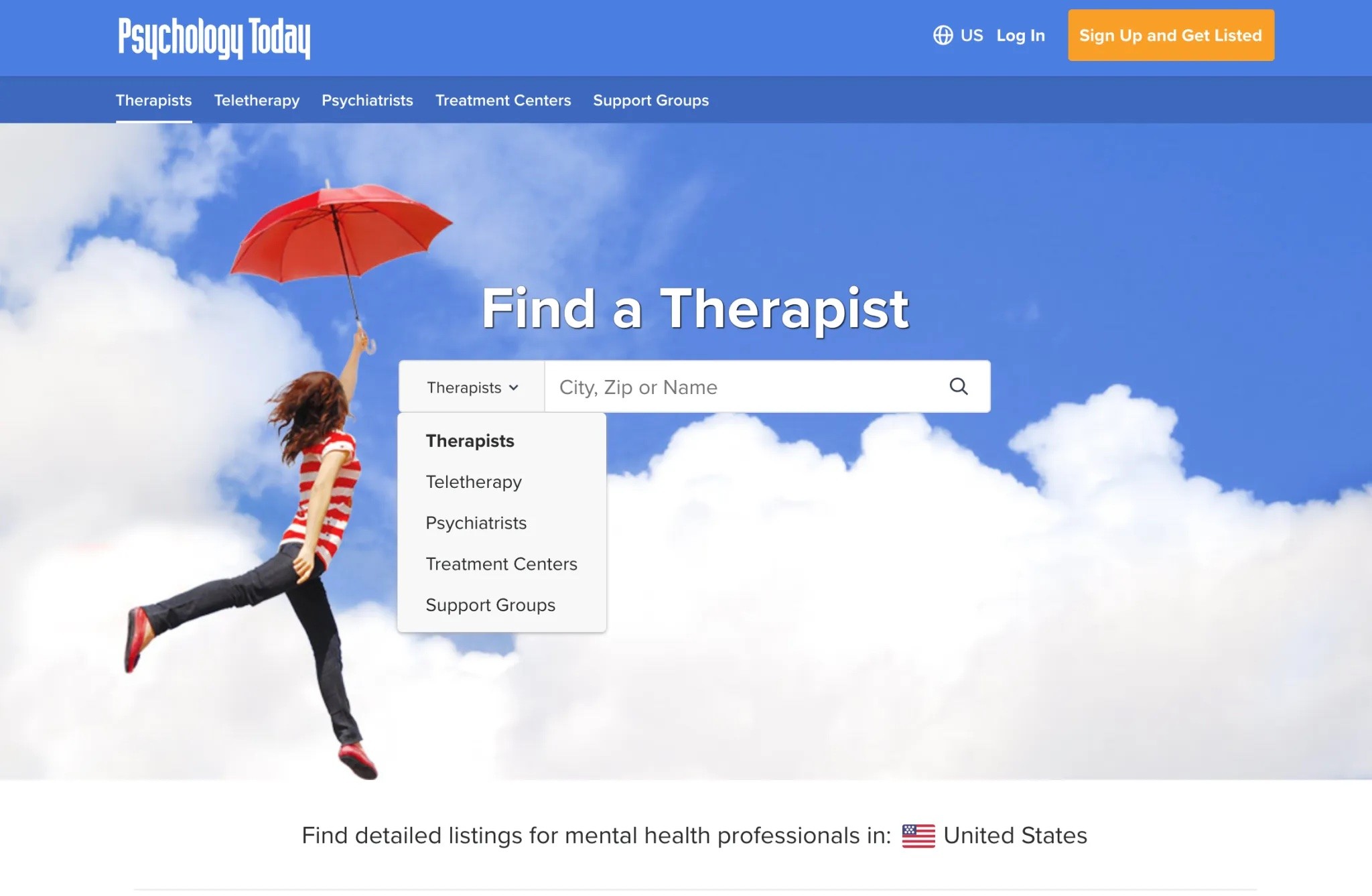
-Generic Psychology Today profiles blend together
-Clients expect clarity, personality, and positioning
-Therapists who differentiate their voice, niche, and value will be the ones who attract aligned clients rather than waiting and hoping referrals are enough.
3. AI Changed Everything—Including Client Expectations
By 2026, AI-generated content is everywhere. Clients can access mental health tips instantly. Meditation apps, AI companions, wellness influencers, and digital therapy platforms crowd attention. This means:
-Generic content doesn’t work anymore
-Authentic, professional guidance matters more than ever
-Ethical representation is essential
-Humans crave real connection, not robotic messaging
-Therapy marketing now requires depth, storytelling, and credibility that AI alone can’t replicate.
4. Social Media Isn’t Optional — It’s a Visibility Engine
Social platforms aren’t just for brands. They’re where people learn, connect, and find support. Many clients now discover therapists through:
-Instagram & TikTok education content
-Short therapy insights videos
-Reels explaining coping tools
-Mental health storytelling
-Conversations around identity, culture, and healing
The therapists thriving on social media in 2026:
-Show up consistently
-Speak to real struggles
-Normalize emotions
-Provide value without giving therapy away
-Build community rather than chasing trends
5. SEO and Online Presence Now Determine Whether You’re Seen
Clients rarely choose the first therapist they see — they explore options. Your website, social media, Google ranking, reviews, brand message, and local visibility all influence whether someone trusts you enough to reach out. A strong online presence isn’t vanity — it’s a lifeline for the people who need you but haven’t found you yet.
6. Storytelling Is Now a Clinical Tool
People connect with humans — not credentials alone.
Marketing in 2026 means:
-Sharing your "why" through videos on social media
-Explaining your approach clearly
-Showing your authentic personality
-Making therapy feel relatable, not clinical and cold
This reduces stigma, increases comfort, and empowers healing.
7. Clients Expect Ease, Clarity, and Professionalism
Clients today want:
-Simple, professional, and appealing websites
-An engaging social media presence
-Clear communication
-A sense of safety immediately
-Transparent pricing
-Easy scheduling
Therapists who invest in their voice, visibility, and presence aren’t just building a business — they’re building a gateway to healing for people who need support. And that is not marketing for profit. It’s marketing for impact.
Demand for therapy remains high, but the way people find therapists, build trust, and decide to book a session has changed. Today’s environment is shaped by AI-driven content, shifting social media algorithms, economic uncertainty, rising competition, and increasing expectations for authenticity, accessibility, and credibility. In short: having clinical expertise is no longer enough. Strategic, ethical, human-centered marketing is essential.
1. Therapy Is No Longer “Found,” It’s Experienced Before Booking
In 2026, most people don’t simply search “therapist near me” and schedule. They research, observe, follow, and emotionally connect before committing. Prospective clients want to see:
-Who you are as a person
-What your approach feels like
-Whether they feel safe with you
-Whether you understand their lived experience
Marketing isn’t about selling — it’s about creating a therapeutic preview that builds trust before the first session.
2. Competition Has Grown — and Standing Out Matters
Between private practice therapists, group practices, coaching programs, wellness startups, mental health brands, and tech platforms, the marketplace is crowded. At the same time:
-Insurance directories are overwhelming
-Generic Psychology Today profiles blend together
-Clients expect clarity, personality, and positioning
-Therapists who differentiate their voice, niche, and value will be the ones who attract aligned clients rather than waiting and hoping referrals are enough.
3. AI Changed Everything—Including Client Expectations
By 2026, AI-generated content is everywhere. Clients can access mental health tips instantly. Meditation apps, AI companions, wellness influencers, and digital therapy platforms crowd attention. This means:
-Generic content doesn’t work anymore
-Authentic, professional guidance matters more than ever
-Ethical representation is essential
-Humans crave real connection, not robotic messaging
-Therapy marketing now requires depth, storytelling, and credibility that AI alone can’t replicate.
4. Social Media Isn’t Optional — It’s a Visibility Engine
Social platforms aren’t just for brands. They’re where people learn, connect, and find support. Many clients now discover therapists through:
-Instagram & TikTok education content
-Short therapy insights videos
-Reels explaining coping tools
-Mental health storytelling
-Conversations around identity, culture, and healing
The therapists thriving on social media in 2026:
-Show up consistently
-Speak to real struggles
-Normalize emotions
-Provide value without giving therapy away
-Build community rather than chasing trends
5. SEO and Online Presence Now Determine Whether You’re Seen
Clients rarely choose the first therapist they see — they explore options. Your website, social media, Google ranking, reviews, brand message, and local visibility all influence whether someone trusts you enough to reach out. A strong online presence isn’t vanity — it’s a lifeline for the people who need you but haven’t found you yet.
6. Storytelling Is Now a Clinical Tool
People connect with humans — not credentials alone.
Marketing in 2026 means:
-Sharing your "why" through videos on social media
-Explaining your approach clearly
-Showing your authentic personality
-Making therapy feel relatable, not clinical and cold
This reduces stigma, increases comfort, and empowers healing.
7. Clients Expect Ease, Clarity, and Professionalism
Clients today want:
-Simple, professional, and appealing websites
-An engaging social media presence
-Clear communication
-A sense of safety immediately
-Transparent pricing
-Easy scheduling
Therapists who invest in their voice, visibility, and presence aren’t just building a business — they’re building a gateway to healing for people who need support. And that is not marketing for profit. It’s marketing for impact.
The landscape of mental health has transformed dramatically over the last few years — and 2026 marks a new era.
Demand for therapy remains high, but the way people find therapists, build trust, and decide to book a session has changed. Today’s environment is shaped by AI-driven content, shifting social media algorithms, economic uncertainty, rising competition, and increasing expectations for authenticity, accessibility, and credibility. In short: having clinical expertise is no longer enough. Strategic, ethical, human-centered marketing is essential.
1. Therapy Is No Longer “Found,” It’s Experienced Before Booking
In 2026, most people don’t simply search “therapist near me” and schedule. They research, observe, follow, and emotionally connect before committing. Prospective clients want to see:
-Who you are as a person
-What your approach feels like
-Whether they feel safe with you
-Whether you understand their lived experience
Marketing isn’t about selling — it’s about creating a therapeutic preview that builds trust before the first session.
2. Competition Has Grown — and Standing Out Matters
Between private practice therapists, group practices, coaching programs, wellness startups, mental health brands, and tech platforms, the marketplace is crowded. At the same time:
-Insurance directories are overwhelming
-Generic Psychology Today profiles blend together
-Clients expect clarity, personality, and positioning
-Therapists who differentiate their voice, niche, and value will be the ones who attract aligned clients rather than waiting and hoping referrals are enough.
3. AI Changed Everything—Including Client Expectations
By 2026, AI-generated content is everywhere. Clients can access mental health tips instantly. Meditation apps, AI companions, wellness influencers, and digital therapy platforms crowd attention. This means:
-Generic content doesn’t work anymore
-Authentic, professional guidance matters more than ever
-Ethical representation is essential
-Humans crave real connection, not robotic messaging
-Therapy marketing now requires depth, storytelling, and credibility that AI alone can’t replicate.
4. Social Media Isn’t Optional — It’s a Visibility Engine
Social platforms aren’t just for brands. They’re where people learn, connect, and find support. Many clients now discover therapists through:
-Instagram & TikTok education content
-Short therapy insights videos
-Reels explaining coping tools
-Mental health storytelling
-Conversations around identity, culture, and healing
The therapists thriving on social media in 2026:
-Show up consistently
-Speak to real struggles
-Normalize emotions
-Provide value without giving therapy away
-Build community rather than chasing trends
5. SEO and Online Presence Now Determine Whether You’re Seen
Clients rarely choose the first therapist they see — they explore options. Your website, social media, Google ranking, reviews, brand message, and local visibility all influence whether someone trusts you enough to reach out. A strong online presence isn’t vanity — it’s a lifeline for the people who need you but haven’t found you yet.
6. Storytelling Is Now a Clinical Tool
People connect with humans — not credentials alone.
Marketing in 2026 means:
-Sharing your "why" through videos on social media
-Explaining your approach clearly
-Showing your authentic personality
-Making therapy feel relatable, not clinical and cold
This reduces stigma, increases comfort, and empowers healing.
7. Clients Expect Ease, Clarity, and Professionalism
Clients today want:
-Simple, professional, and appealing websites
-An engaging social media presence
-Clear communication
-A sense of safety immediately
-Transparent pricing
-Easy scheduling
Therapists who invest in their voice, visibility, and presence aren’t just building a business — they’re building a gateway to healing for people who need support. And that is not marketing for profit. It’s marketing for impact.